
The End Of Denial
World War ZThis flow traces the cultural movement from euphemism and distraction toward public knowledge, disciplined action, and remembrance.
increasing Bearing strength in each event
 decreasing
Bearing strength in each eventdecreasingAfrican Rabies
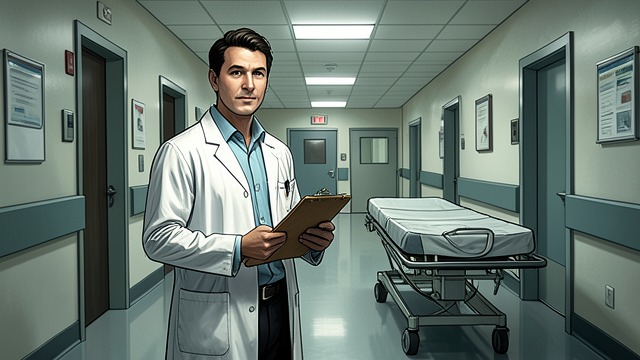
African Rabies
Euphemism
Authorities describe reanimation as an exotic strain of rabies.
Comfort
The label preserves normality by making the impossible sound familiar.
Damage
Medical language becomes a tool for postponing public action.
Celebrity Distraction

Celebrity Distraction
Habit
Many citizens prefer gossip, shopping, and entertainment to difficult news.
Information
Warnings become background noise competing with ordinary anxieties.
Exposure
The culture’s distractions reveal how denial can be voluntary as well as imposed.
Visible Collapse
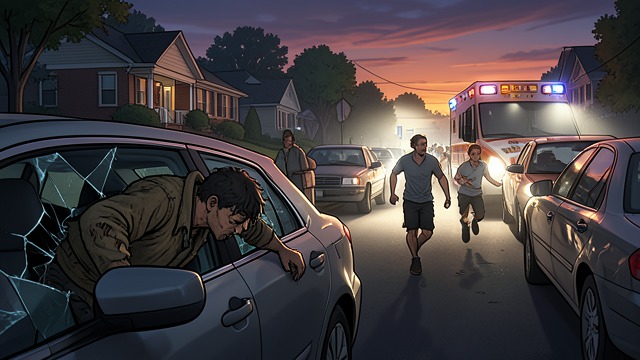
Visible Collapse
Attack
The undead enter homes, highways, hospitals, and entertainment compounds.
Evidence
Private experience finally overwhelms official reassurances.
Panic
The truth arrives all at once because institutions withheld it for too long.
Public Instruction
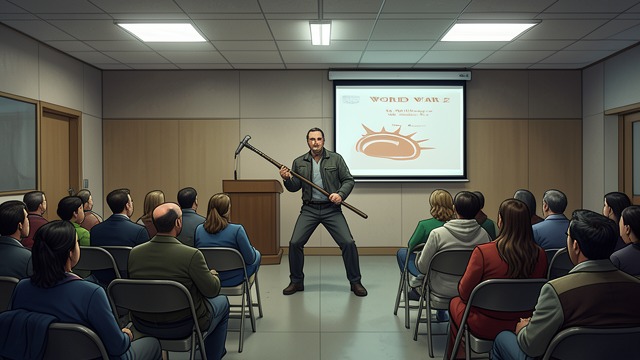
Public Instruction
Guidance
Survival manuals, radio broadcasts, and films explain practical responses.
Participation
Citizens learn that defense requires drills, tools, watch schedules, and cooperation.
Change
Information moves from a specialist resource to a civic necessity.
Remembering Danger
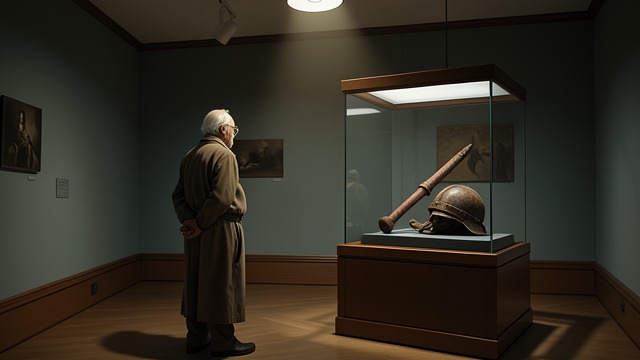
Remembering Danger
Memory Work
Stories, monuments, films, and annual sweeps preserve the catastrophe.
Risk
Comfort encourages new generations to forget how quickly denial became disaster.
Responsibility
The archive exists to keep vigilance from becoming another form of fear.
early public reports
during the Great Denial
during the first American outbreaks
after Yonkers
postwar reconstruction
